From Milliliters to Ounces: 7 Everyday Scenarios Where 10oz and 300ml Cup Conversions Matter
Introduction: Tiny Differences, Real-World Impact
Ever wondered how much liquid actually fits into a 10oz or 300ml container? Whether you’re preparing a recipe, pouring a drink, or packaging a takeaway order, knowing how 10oz to cup or 300ml to cups converts can make or break results.
A small misstep in volume estimation might cause a recipe to fail, a customer’s drink to overflow, or an eco-friendly container to be discarded due to sizing mismatch. In today’s world—where precision, portion control, and sustainable practices go hand in hand—understanding volume conversions is essential.
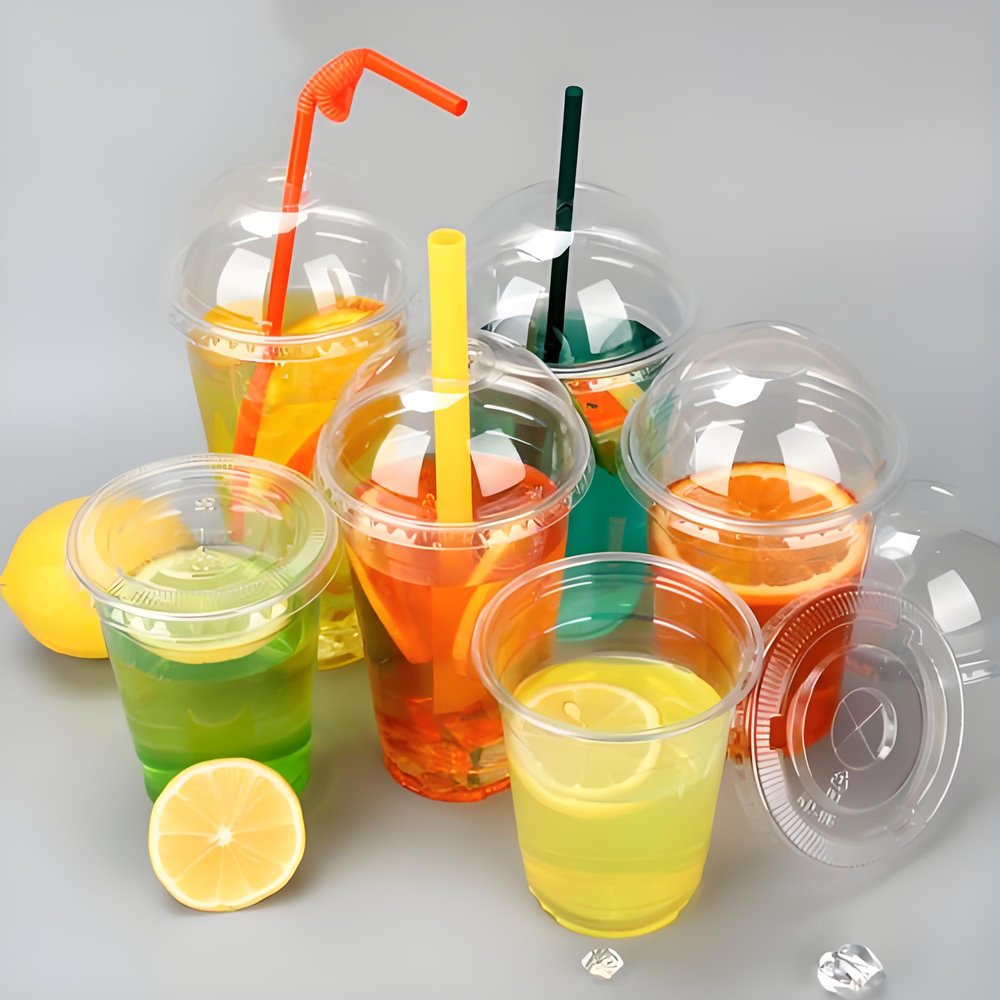 |
| PLA Cups |
1. The Basic Conversion: What 10oz and 300ml Mean in Cups
Let’s start with quick facts:
| Volume | US Cups | Metric Cups |
|---|---|---|
| 10oz | 1.25 US cups | ~1.18 metric cups |
| 300ml | 1.27 US cups | 1.2 metric cups |
Knowing that 10oz equals 1¼ cups and 300ml equals 1.27 US cups allows smoother measurement when using common kitchen tools or when selecting the right size of biodegradable or compostable containers for food service or beverage operations.
2. How Conversion Accuracy Helps in Real Life
🧁 Home Baking
Let’s say your recipe asks for 10oz of yogurt. Instead of guessing, you measure 1.25 cups, resulting in perfect batter consistency. This small adjustment avoids dryness or collapse in your final product.
🥗 Meal Prep & Delivery
You're portioning a grain bowl into a 300ml compostable container. Knowing this equals about 1.2 metric cups helps avoid under- or over-serving—critical when managing food cost and calorie control.
☕ Coffee Bars
Serving a flat white in a 10oz biodegradable cup gives a consistent portion, pairs with standard lids, and avoids excess material use. And the same logic applies for 300ml iced beverages.
3. Why Your Container Size Should Match the Actual Volume
In foodservice and packaging, using the correct container size isn’t just about visual appeal—it directly impacts:
-
Material waste: Oversized containers waste resources
-
Consumer experience: Underfilled cups = disappointed customers
-
Compost stream integrity: Compostable items that leak or are mismatched get discarded incorrectly
-
Operational efficiency: Misaligned containers cause staff confusion
That’s why eco-friendly packaging—like molded fiber or PLA-based 10oz and 300ml containers—now often comes with volume markings in both ounces and milliliters.
4. 10oz to Cup & 300ml to Cups in Global Context
Measurements vary globally:
| Region | 1 Cup (Volume) |
|---|---|
| US | 236.6 ml |
| Metric (AU/NZ) | 250 ml |
| UK | 284 ml |
This means:
-
300ml = 1.27 US cups, but only 1.2 metric cups
-
10oz = 295.7 ml, which is just under 1.25 metric cups
Using 10oz compostable cups and 300ml fiber bowls designed for regional standards helps ensure lid fit, portion reliability, and compostability compliance.
 |
| 10oz to Cups |
5. Practical Ways to Visualize 10oz and 300ml
If you don’t have a measuring jug:
-
10oz ≈ 20 tablespoons
-
300ml ≈ just over 1¼ cups
-
A standard small takeout soup bowl often holds 300ml
-
Most cold drink cups for iced coffee are 10oz–12oz range
Many modern sustainable cups come with internal fill lines and labeled volume indicators to make conversions intuitive for servers and consumers alike.
6. The Role of Eco Packaging in Accurate Volume Management
Why compostable container sizing matters:
-
Food delivery services need tight-fitting lids for 300ml soups or sides
-
PLA cups for iced teas or juices labeled 10oz prevent over-pouring and maintain lid integrity
-
Portion control in diet meals depends on true container volume, especially with sauces or dense grains
-
Waste reduction depends on getting the volume right the first time—not throwing out misused containers
Containers that specify both ounces and cups on their base or rim improve accuracy and reduce dependency on separate measuring tools.
7. Volume Conversions & Product Matching: A Sizing Guide
| Use Case | Recommended Size | Equivalent Cup Value |
|---|---|---|
| Hot soup portion | 300ml fiber bowl | 1.27 cups |
| Small latte | 10oz compostable cup | 1.25 cups |
| Side salad | 300ml molded tray | ~1¼ cups |
| Yogurt or fruit bowl | 10oz paper bowl | 1¼ cups |
In short, if your product fits in a cup, your container choice should match that cup's volume—especially in sustainable formats where every milliliter matters.
8. Pro Tips for Smarter Volume Use
-
Use measuring cups with both oz and ml indicators
-
Store 10oz and 300ml containers separately to avoid mix-ups
-
Label shelves and boxes by volume, not just item name
-
Educate staff on cup-to-ml equivalents for standard recipes
-
Encourage customers to bring reusable 300ml or 10oz cups for fill discounts
9. Final Thoughts: Measurement That Leads to Less Waste
So, how much is 10oz in cups? About 1.25. And 300ml? Roughly 1.27 US cups. Simple enough on paper—but deeply important in practice.
From making banana bread at home to running a low-waste takeaway business, getting your volume conversions right supports better outcomes for everyone involved. And when matched with well-designed eco-friendly containers, it enhances everything from kitchen workflow to customer satisfaction to composting success.
Because accurate measurement isn’t just about numbers—it’s about values.


Comments